

Tiny Worlds enchanted in Folk Patterns: SLAVTOBER Week 2
Very often we see folk patterns as decoration only. But this week I’d like to dive a bit deeper!
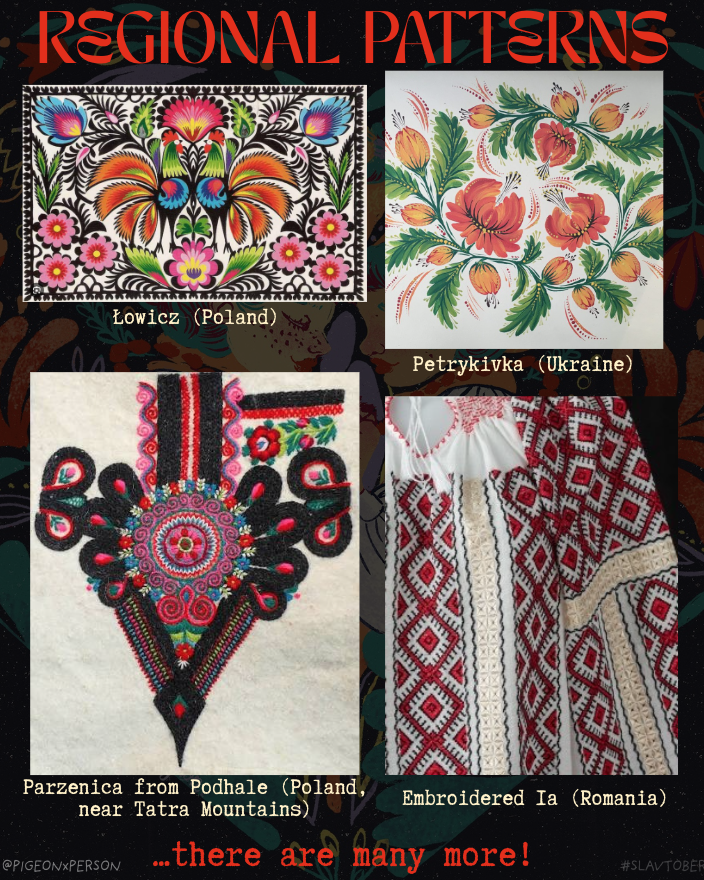
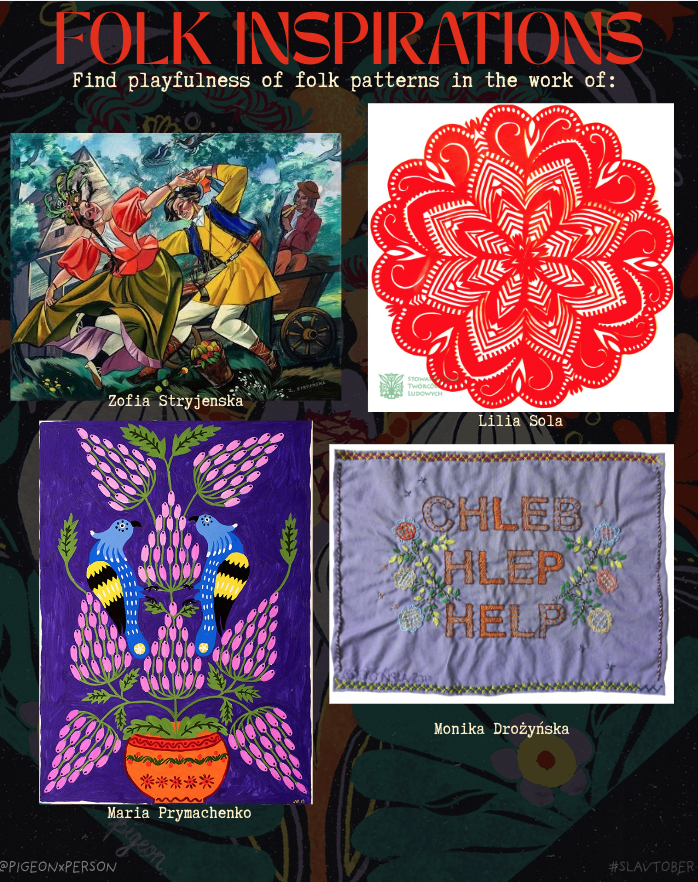
Under the umbrella of folk ornaments hides a deep and rich world: through media like embroidery, weaving or papercuts (wycinanka) Slavic people express their belonging to local regions, capture landscape and tradition in playful, unique designs.
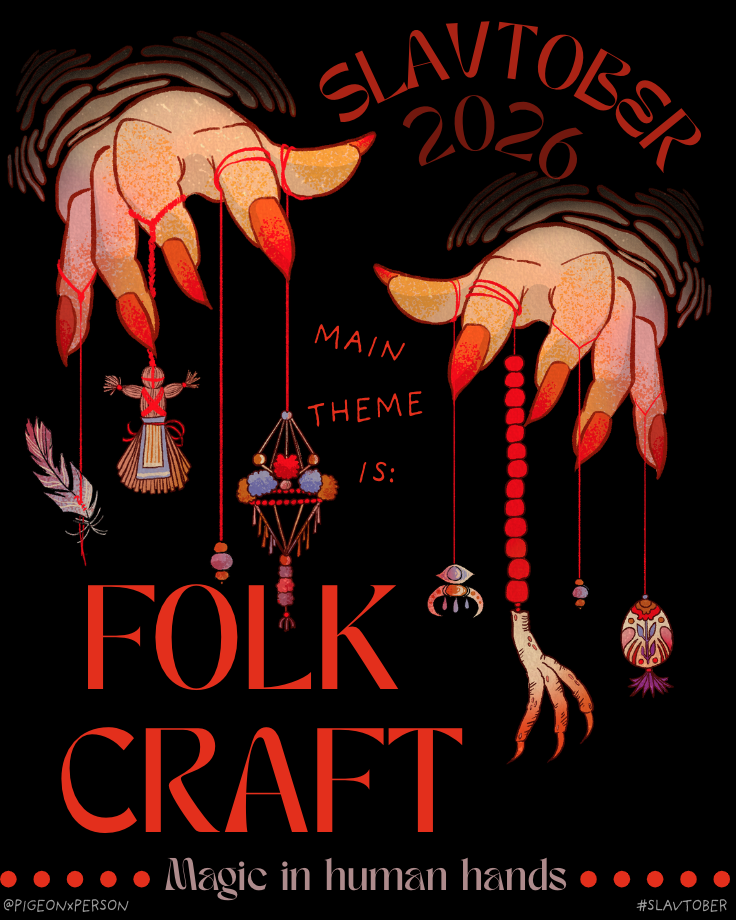
Slavtober is a month-long celebration of Slavic / Eastern European folklore and creativity, hosted across my online platforms (instagram + newsletter + tiktok).
I’ve been hosting it on and off since 2020, hoping to gather a community of artists and folklore enthusiasts, share the wonders of Slavic folklore with others and create a space for us to share our folk-inspired artwork. Over the past 6 years that’s exactly what happened, and I’m so excited to host Slavtober once again in 2026!

WEEK 2 PROMPT IS:
TINY WORLDS IN FOLK PATTERNS
Let’s take a look at examples and reflect on pattern making process and choosing shapes for your own art with intent.
What pattern reflects your inner landscape or a place you came from?
WYCINANKA
This folk art thrived in Poland in the 19th century, and is known across all Eastern Europe, with each region developing its unique wycinanka style. Wycinanki (plural) were often made by young women (and sadly, as with many female art forms, too many of their names are forgotten).
These designs were often cut freestyle, without a template, in a folded piece of coloured paper, creating symmetrical, geometric wonders. You can cut your pattern in a single paper sheet or create a colourful collage. Wycinanki became playful home decorations for occasions like weddings, harvest and other celebrations.
This week my newsletter subscribers get a free wycinanka template to try out! All you need to do is print it out, fold the sheet of paper in half and carefully cut along the lines. You can also try some freestyle papercutting to create abstract symmetrical patterns. Have fun with it!
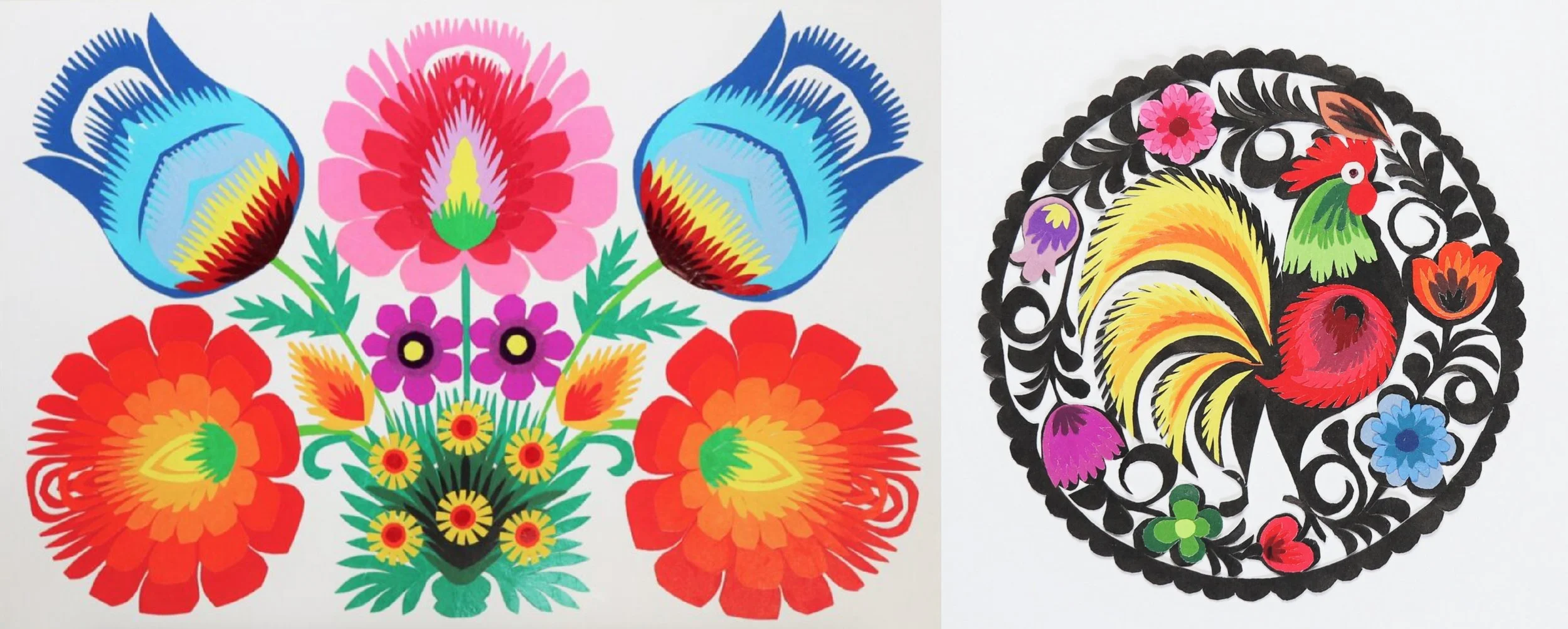
Examples of colourful papercuts from the Lowicz region in Poland.
ZALIPIE: Polish village covered in painting
You might have seen the photos from Zalipie online. It’s a truly unique place in Poland, a village where buildings and other structures are covered with hand painted floral patterns, all crafted by local women.
The story says that women started painting flowers on the walls of their homes to cover staining from smoke of the cottage hearth. By the 1940s the village was well known across Poland, and started hosting the Malowana Chata (Painted Cottage) competition.
The absolute star of Zalipie was Felicja Cyrylo.
She was a folk artist working in Zalipie, but her work was so much more than just painting flowers on building walls. Felicja became a community organiser, bringing the female painters together, creating the official association and rising the profile of Zalipie’s local culture. She was a prominent painter and a well regarded figure, now synonymous with Zalipie’s folk art.
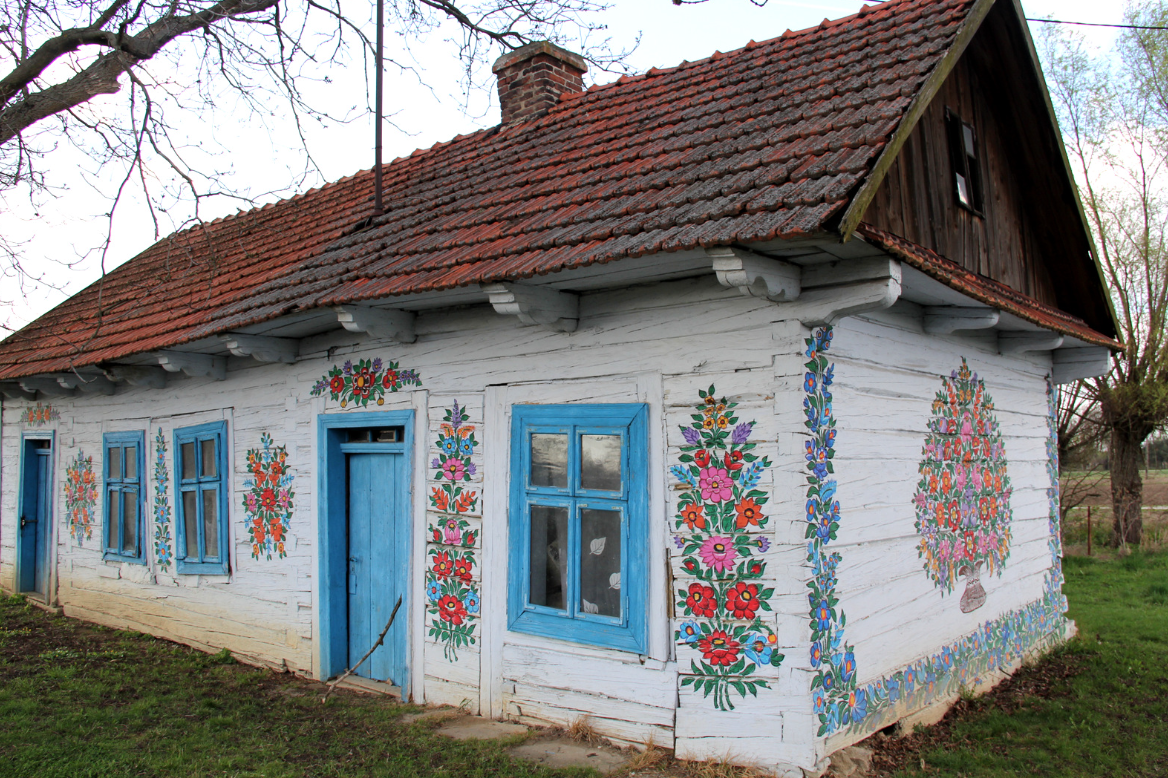
One of the most well-known houses in Zalipie, with the characteristic floral paintings.
AND NOW, IT’S YOUR TURN.
The interpretation of this prompt is entirely up to you.
How will you use the Slavic ornaments as inspiration? Will you add a modern twist?
Will you have a go at making your own wycinanka? Or create an illustration where Slavic folk patterns are at the forefront?
What pattern reflects your inner landscape or a place you came from?
JOIN US:
Share your creations online and remember to tag me and use the hashtag #slavtober - I’d love to see them!!
Make yourself comfortable and stay here for Week 3 of Slavtober, where we’ll talk about pocket shrines and dual belief.